No products in the basket.
Diagnostic Test Available Now Via This Website! Physical Facilities Open September 2026!

Education
Understanding how metabolites work helps reveal how cells function, how diseases develop, and how the body responds to medications or environmental changes. Explore the basics of metabolite science and why this knowledge matters by downloading the PDF below.
Understanding the Élie Test
What Is Epigenetics?
Epigenetics refers to heritable, semi-stable changes in gene expression that occur without altering the underlying DNA sequence. Rather than changing the genetic code itself, epigenetic regulation influences how genes are read and interpreted by the cell. These changes are mediated by molecular mechanisms such as DNA methylation, histone modification, and chromatin remodelling, which together determine whether specific genes are transcriptionally active or silenced. Through these processes, epigenetics provides a crucial molecular link between genotype and phenotype, explaining how organisms with identical genetic information can develop distinct biological characteristics.
Epigenetic regulation plays a critical role in shaping the individual throughout development and across the lifespan. By controlling which genes are expressed in particular cells and at specific times, epigenetic mechanisms influence cellular differentiation, physiological function, and susceptibility to disease. For example, epigenetic modifications can affect metabolic pathways, immune responses, stress regulation, and neural development. Disruption of normal epigenetic patterns has been associated with a range of conditions, including cancer, cardiovascular disease, diabetes, and neurodevelopmental disorders. This demonstrates that altered gene expression states, rather than DNA mutations alone, can have profound and lasting effects on health and biological function.
Importantly, epigenetic states are not fixed. They are responsive to environmental and lifestyle factors, particularly during sensitive developmental periods such as embryogenesis, early childhood, and adolescence. External influences including nutrition, temperature, exposure to toxins, physical activity, stress, and social environment can modify epigenetic marks. For instance, nutrient availability can influence DNA methylation patterns involved in growth and metabolism, while chronic stress can alter the epigenetic regulation of genes linked to hormonal and neurological pathways. These environmentally induced modifications can persist long after the initial exposure, shaping long-term phenotypic outcomes and, in some cases, influencing disease risk later in life.

A clear illustration of environmentally driven epigenetic regulation is temperature-dependent sex determination in reptiles such as crocodiles and turtles. In these species, incubation temperature during embryonic development alters the epigenetic control of key sex-determining genes. As a result, genetically identical embryos develop into males or females depending on the thermal conditions experienced during a critical developmental window. This example demonstrates how external environmental factors can impose lasting developmental consequences through epigenetic mechanisms without altering the DNA sequence itself.
In contrast, the metamorphosis of a caterpillar into a butterfly, although involving extensive changes in gene expression, represents a genetically programmed developmental process rather than an environmentally induced epigenetic response. The transformation is regulated by endogenous hormonal signals, particularly ecdysteroids, and follows a predetermined genetic pathway encoded within the genome. While epigenetic mechanisms may participate at the cellular level by enabling or restricting access to certain genes, the overall developmental outcome is fixed and does not arise from external environmental modification. This distinction highlights that epigenetics is defined not simply by changes in gene expression, but by the role of environmental influence in shaping those changes.
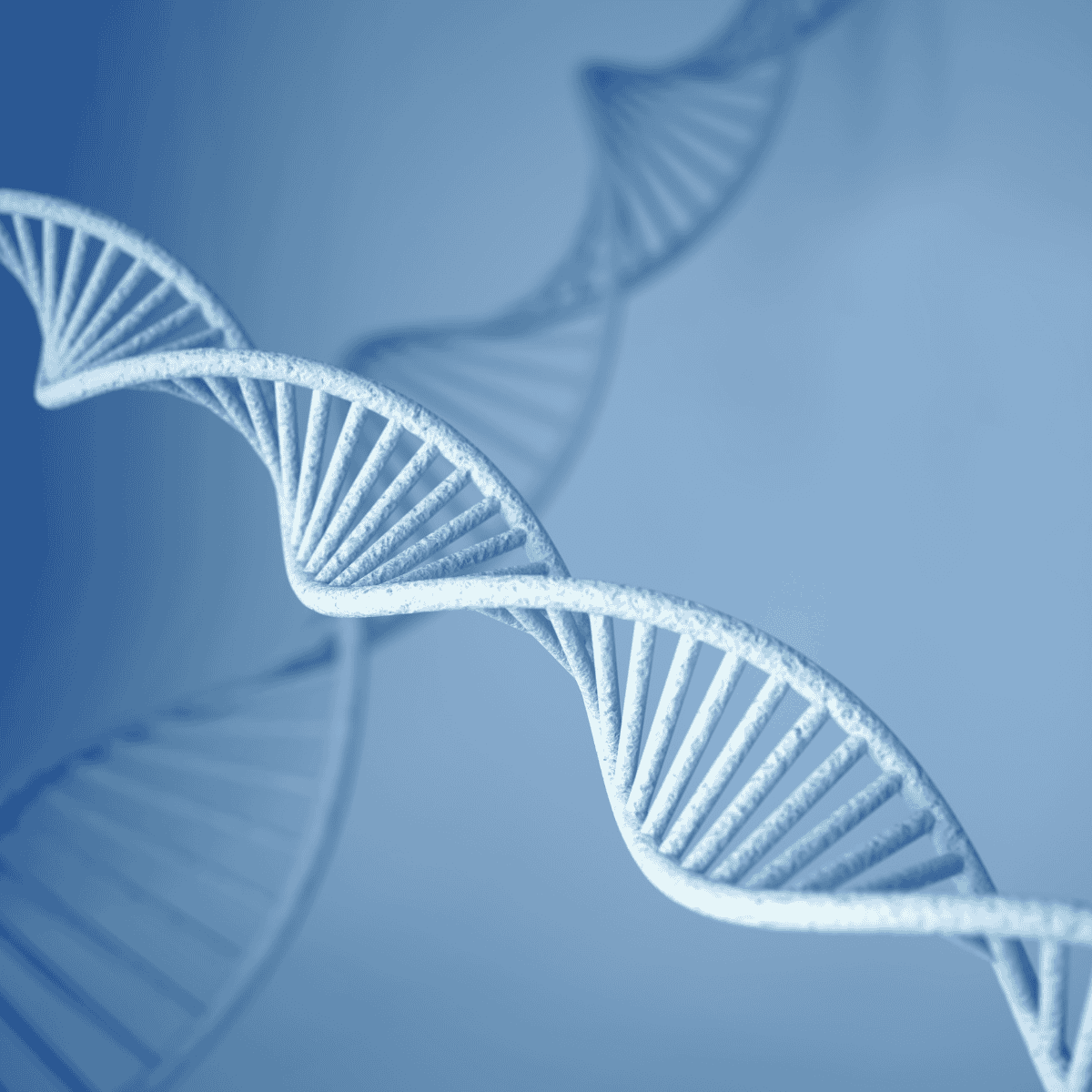
Central to epigenetic regulation is chromatin, which plays a key role in controlling access to genetic information. Chromatin can be thought of as a dynamic scaffolding system that organises, supports, and regulates access to DNA. In this structure, histone proteins act like spools or anchor points, while DNA functions as the thread wrapped around them. Together, DNA and histones form nucleosomes, which assemble into chromatin. This scaffolded framework holds DNA in an ordered structure, prevents tangling or damage, and determines which regions of the genome are exposed or hidden from the transcriptional machinery.
Unlike a rigid scaffold, chromatin is highly flexible and responsive. It can be tightly packed into heterochromatin, where genes are generally inaccessible and transcriptionally inactive, or loosely packed into euchromatin, where genes are accessible and actively expressed. Epigenetic modifications regulate these structural changes. For example, the addition of acetyl groups to histone tails loosens chromatin structure, increasing gene accessibility, while certain methylation marks can tighten chromatin and repress gene expression. In this way, epigenetic mechanisms do not alter DNA itself but instead adjust the chromatin scaffold to control how the genome is used.
It is important to note that chromatin is not an empty framework upon which DNA is placed; rather, DNA is an integral component of the chromatin structure. The scaffold is formed from DNA and proteins together, creating a living, responsive system capable of integrating genetic instructions with environmental signals.
In summary, epigenetics highlights the dynamic interaction between genes and environment. It explains how lifestyle and environmental factors can shape gene expression patterns, influence individual development and health, and produce effects that may persist across the lifespan. Unlike fixed genetic sequences, epigenetic marks provide a flexible layer of biological regulation through which the environment can leave a lasting imprint on the individual.

Contact
Join Our Mailing List
Firle Estate Office Address
The Shire House
Firle, Lewes
BN8 6LP
What3Words
Meaning.Canines.Flamingo
Firle Place Address
Firle, Lewes
BN8 6LP
What3Words
Remarked.Placidly.Quietly
Website by Vexaura